
Over 30 years of anarchist writing from Ireland listed under hundreds of topics
This is a series explaining the 9 Points of Unity of the Workers Solidarity Movement - an anarchist organisation active on the island of Ireland. [Download PDF of these explanations]
The WSM regularly discusses, debates and decides on what our collective political approach is. The Points of Unity are the most basic political agreement necessary to be a WSM member or supporter. They are 9 short points which outline the anarchism the WSM stands for.
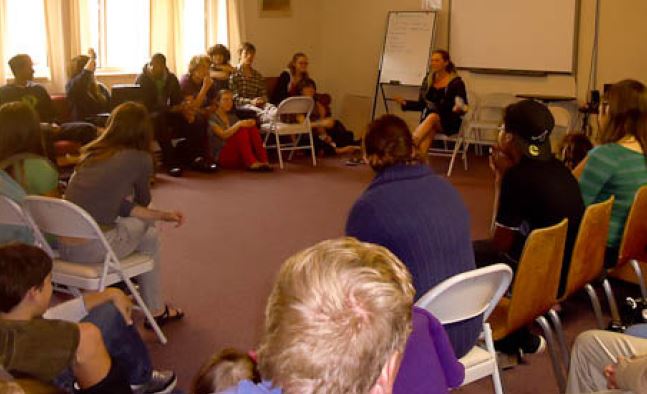 Organising requires getting together and making decisions, sharing information and organisational work. It only takes a few informal chats among any group of people before it becomes obvious that some structure is greatly needed in facilitating group functioning. Without structures and procedures people often forget what was agreed, what tasks were to be done and by whom, or when the next meeting is.
 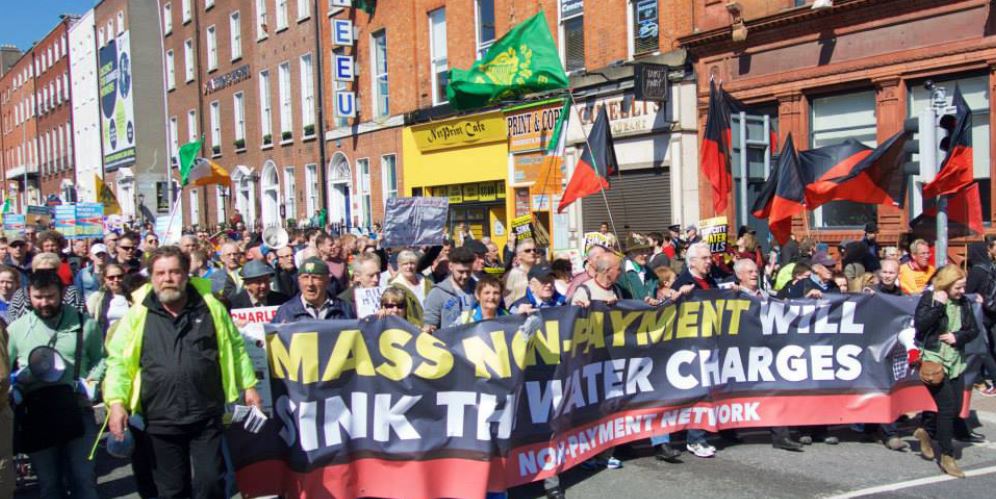 No one saw this coming, not even the veteran activists. Hundreds of thousands resisting neoliberal economic policies would have been difficult to imagine even at the height of the Campaign Against Home and Water Charges. Although that campaign, primarily fighting against the regressive Household Charge and the subsequent Property Tax, was nationwide, it never quite built the momentum that we’ve seen with the anti-water charges campaign, though not for lack of effort on the part of activists. The CAHWT failed in its objective of defeating the Property Tax, the resistance effort however was not in vain; it prepared the ground for the current phase of struggle.
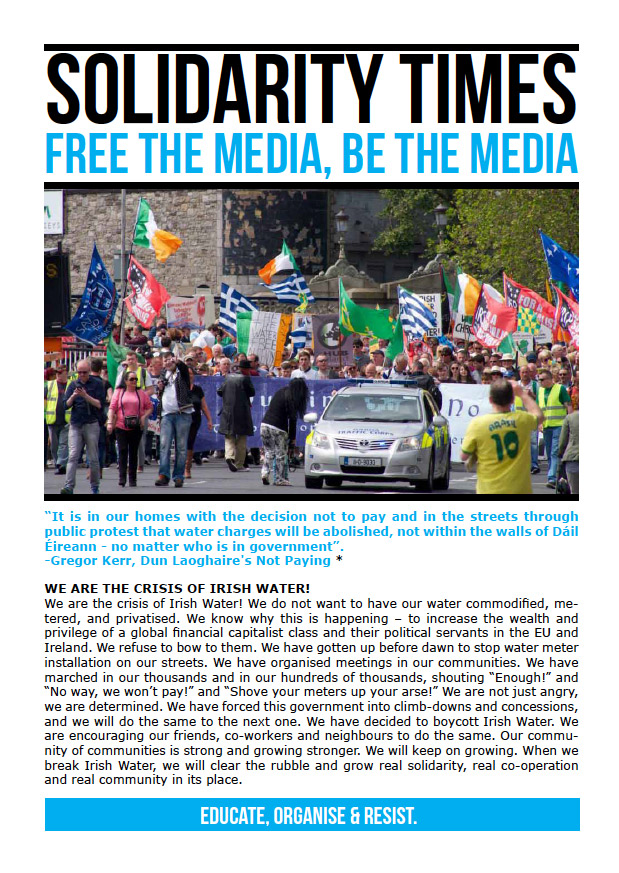 We are the crisis of Irish Water! We do not want to have our water commodified, metered, and privatised. We know why this is happening – to increase the wealth and privilege of a global financial capitalist class and their political servants in the EU and Ireland.
We refuse to bow to them. We have gotten up before dawn to stop water meter installation on our streets. We have organised meetings in our communities. We have marched in our thousands and in our hundreds of thousands, shouting “Enough!” and “No way, we won’t pay!” and “Shove your meters up your arse!” We are not just angry, we are determined.
We have forced this government into climb-downs and concessions, and we will do the same to the next one. We have decided to boycott Irish Water. We are encouraging our friends, co-workers and neighbours to do the same. Our community of communities is strong and growing stronger. We will keep on growing. When we break Irish Water, we will clear the rubble and grow real solidarity, real co-operation and real community in its place.
Despite all the deadlines, threats and promises, government propaganda and hostile newspaper articles the non payment figure as of July 17th is a massive 57%. Hopefully this will encourage some of those who paid out of fear to join the boycott for the second bill.
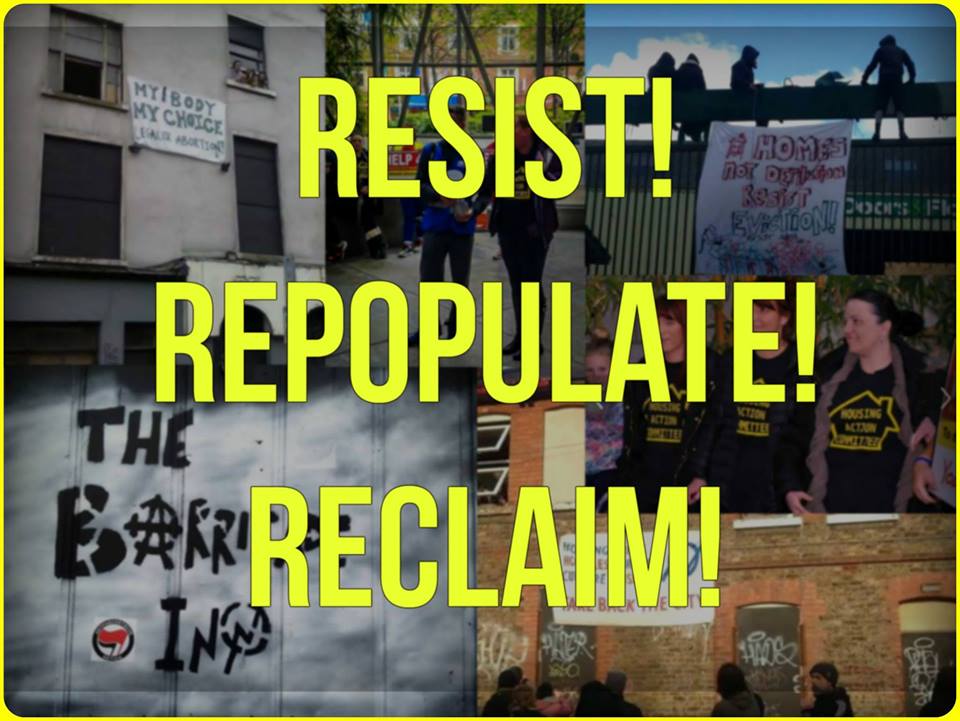 “Ours is a society in which, in every field, one group of people makes decisions, exercise control, limits choices, while the great majority have to accept these decisions, submit to this control and act within the limits of these externally imposed choices. Nowhere is this more evident than in the field of housing: one of those basic human needs which throughout history and all over the world people have satisfied as well as they could for themselves, using the materials what were at hand and their own, and their neighbors labor. The marvelously resourceful anonymous vernacular architecture of every part of the globe is a testimony to their skill, using timber, straw, grass, leaves, hides, stone, clay, bone, earth, mud sand even snow. Consider the igloo: maximum enclosure of space with minimum of labor. Cost of materials and transportation, nil. And all made of water. Nowadays, of course, the Eskimos live on welfare handouts in little northern slums. Man, as Habraken says “no longer houses himself: he is housed” – Colin Ward
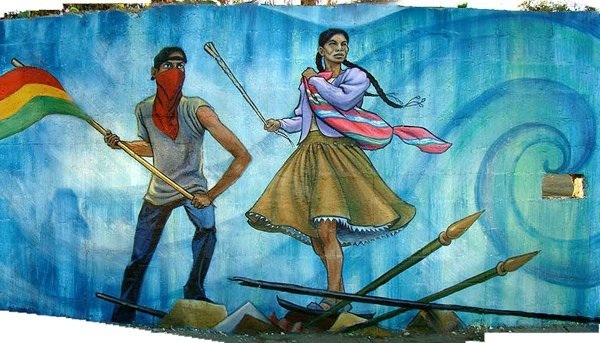
‘In the history of humankind every act of destruction meets its response, sooner or later, in an act of creation’ - Eduardo Galeano
In Bolivia, there have been remarkable experiences in urban peripheries, notably in Cochabamba, that reveal the capacity of grassroots associations to construct a free society based on solidarity and mutual aid. The background to the country’s Water War of April 2000 must be understood against preceding waves of struggle, particularly the huge marches for sovereignty and livelihoods of coca growers, Amazonian groups, and others that emerged with the implementation of the neoliberal model in 1985 [1]. Subsequent mine closures and rural migration occasioned huge increases in Bolivia’s urban centres, particularly in Cochabamba, the country’s third largest city. The state water company, Semapa, served only half of the city’s population. In the neglected southern peripheries, neighbourhood groups organised associations to bring water to their homes. Cooperatives, formed without state assistance, dug wells, built water mains, and even created drainage and sewers. In cases where wells could not be dug, the committees bought their own water tankers and organised daily deliveries. By 1990, some 140 urban water committees had formed in the south of Cochabamba, with between 300 and 1000 families in each one [1].
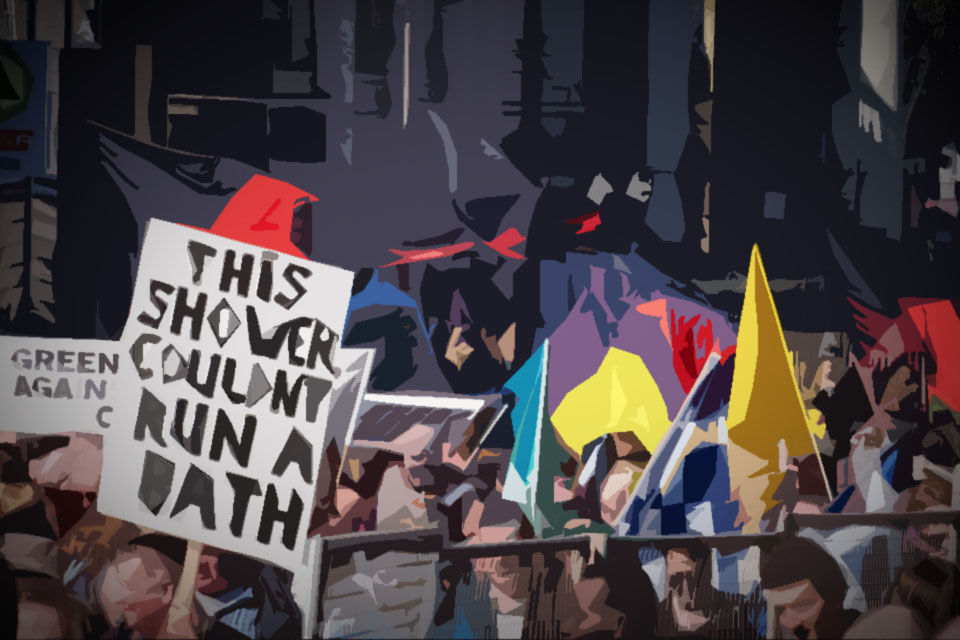 The campaign against the water charges is the most widespread and powerful grassroots movement in recent Irish history. With hundreds of local campaign groups, daily direct actions, and 4 national demonstrations on the order of 50,000-100,000, the cynical refrain that 'the Irish don't protest' has rapidly been replaced by a sense of ubiquitous rebellion. Irish Water is a depraved neoliberal world in effigy, embodying many of the worst problems of our society including the rule of international finance (and private greed in general) at the cost of the vast majority's well being, and the chronic disconnection of the populace from decision making. As such the movement has become a platform for opposition to austerity, the bank bailout, privatisation, the government, party politics, the EU, and more. Thousands of people have experienced a political (re-)awakening. But while it is possible that we will win this battle, and abolish Irish Water, this struggle represents a precious opportunity to make a grassroots offensive after so many years of being beaten down.
An introductory video on what direct action is and isn't, providing illustrations from the campaign against the water charges.
Direct action is at the heart of the struggle against the water charges, from preventing meters being installed, to Meter Fairies removing them, to boycotting registration and the water bills in April. But what is direct action, and what is it not?
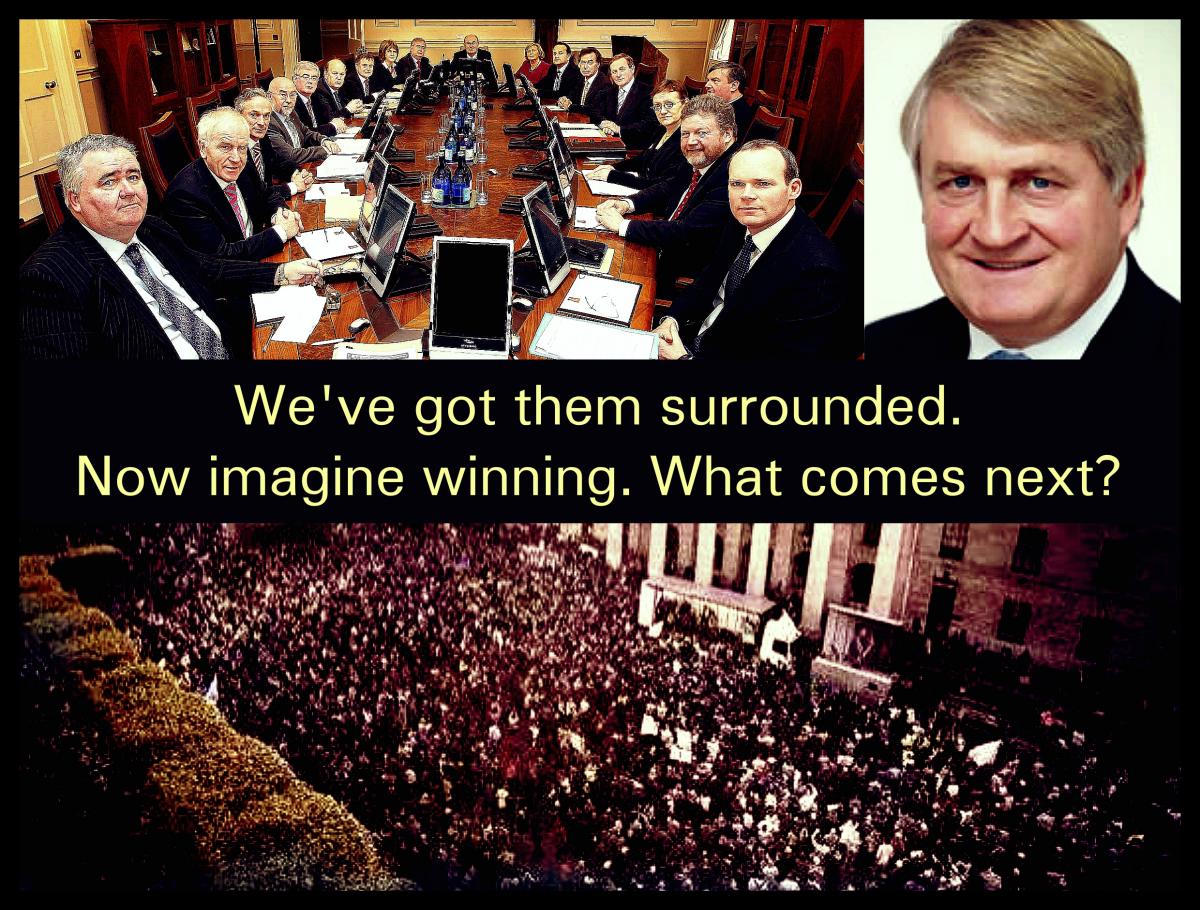 We can win this battle but we would be fools to settle for that. As someone said at the January 31st demonstration, 'we have them where we've wanted them for years'. Our opportunity is huge, with a great multitude politically awakened and eager to change society. So the question is presented: will we waste this opportunity to make a better world or will we seize it? What do we do once we win, and how should that affect what we do now?
This raises lots of other broad questions we should all ask ourselves:
